LinkedIn follow-up message after no response: two, then stop
Two follow-ups, three and seven days apart, then stop. Templates for each, and what to do when all they sent back was a thumbs-up.

Founder of Blen9 min read
On this page
Send two follow-ups, then stop. The first is one line, three days after your message. The second goes out a week after that and closes the door kindly, and nobody who has already answered you gets either one, unless all they sent back was a thumbs-up.
Why follow up at all#
Silence after a first message often just means busy. People accept a connection on their phone between meetings, read your note, mean to answer and forget. A short follow-up gives them a second chance without making them scroll back to find you.
In Belkins' LinkedIn outreach study, the standard campaign (a connection request, then messages once they accept) covered 8.5 million contacts and got a 7.9% reply rate, split evenly between the first message and the follow-ups (opens in a new tab). In that data, stopping after one message would have given up about half the replies. Belkins is an outreach agency, so treat it as vendor data, but it is a very large sample.
How many follow-ups to send on LinkedIn#
Two, after your first message. That is three messages in total, enough to be sure they saw it and few enough that nobody feels chased.
Plenty of guides go further. One outreach tool recommends four messages over 14 days (opens in a new tab). The trouble with the extra ones is who they come from. Every message goes out under your own name to someone you would like as a client, and each unanswered ping after the second reads a little more like a list being worked. LinkedIn's own spam policy names "excessive, irrelevant, or repetitive comments or messages" (opens in a new tab), and a prospect who reports you as spam is not going to hire you.
This is the sequence we run on every outreach account at Blen:
| Message | When it goes | Length | Its one job |
|---|---|---|---|
| First message | When they accept | 60 to 110 words | Say who you are and ask one soft question |
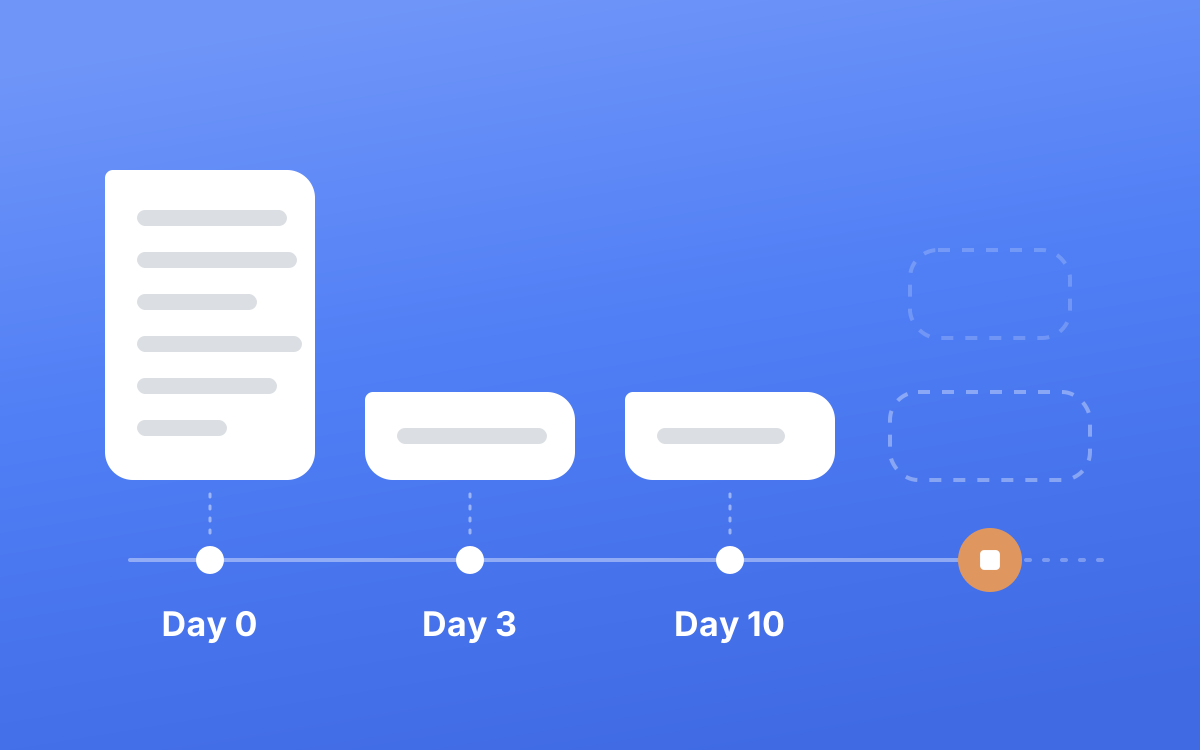
| Follow-up 1 | 3 days later, if no reply | One line | Repeat the ask in fewer words |
| Follow-up 2 | 7 days after follow-up 1, if no reply | One or two lines | Close the door kindly. It is the last one |
| After that | Never | Nothing | Stay connected and stop messaging |
When to send each follow-up#
Three days before the first one#
Three days is long enough that you don't look like you are watching the thread, and short enough that they still remember accepting your request. Wait two weeks and your first message has sunk under everything else in their inbox, so the follow-up arrives with no context.
A longer gap before the last one#
The second gap is wider on purpose. Chasing again at the same rhythm starts to feel like pressure. Seven days also puts the last message in a different week, when whatever kept them busy may be over.
Pace the sending as well as the timing#
When each lead gets a follow-up is one question. How many you send from one account in a day is another. Fifty follow-ups in ten minutes does not look like a person typing, whoever is watching. We cap follow-ups at 20 per account per day, send them two to three minutes apart, and a person approves each one before it goes. If you are weighing tools for this, read whether LinkedIn automation is safe first.
Follow-up 1: one line#
The first follow-up repeats your ask in fewer words, or makes saying yes cheaper. It doesn't pitch again, apologise, or explain why you are writing twice.
Sam, just following up. Would a quick 20 minute call next week work?
Following up on this, Sam. Happy to keep it to 15 minutes if that helps.
Just wanted to follow up. Open to a short call this week or next?
Some guides say "just following up" is a tired phrase. We use it anyway, because it is honest about what the message is and takes two seconds to read. Follow-ups die when a long paragraph comes after it.
One variation works when you have something worth showing. Add a single relevant link and keep the same ask.
Sam, here's a short case study from a firm a lot like yours:
[link]

What does next week look like for a call?
Leave these out of follow-up 1:
- "Did you see my last message?" It reads as a complaint.
- "Bumping this to the top of your inbox." It is about you, and they can tell.
- A second pitch, or a longer list of what you offer.
- A calendar link with time slots. You are handing a stranger admin.
- Exclamation marks and forced enthusiasm.
Follow-up 2: close the door gently#
The last message lets them off the hook. This is the close we use:
No worries if the timing isn't right. Happy to connect another time.
With a little more warmth:
Sam, thought I'd check in one last time. No worries if the timing isn't right, happy to connect another time.
It works because it asks for nothing. Someone who felt bad about not answering now has an easy, polite way to reply. In our experience it is also the message people come back to months later, when their timing has changed, because the thread ended on good terms.
Skip the "break-up message" tricks that turn the close into pressure:
- "I'll assume you're not interested and close your file." Guilt dressed up as courtesy.
- "Should I stop reaching out?" It makes them reject you out loud.
- Fake deadlines, or "only two spots left this quarter".
When to stop following up#
After follow-up 2, stop. They stay connected, can see your posts, and can message you whenever they are ready. If you post well, your posts do the warming. Here is how to plan a content strategy as a founder.
Stop early, before the next follow-up is due, when:
- They reply with anything real (more on that below).
- They say no or not now, or ask you to stop. Thank them in one line and end the sequence.
- The thread shows your first message never went out. Send the first message instead, because "just following up" on an empty thread makes no sense.
- They have moved jobs and are no longer the buyer.
Coming back later is fine if you have a new reason: they posted about the exact problem you solve, they started a new role, or you have something specific to share. Send one message with the reason in the first line. Without a reason, it is just a third follow-up sent late.
A thumbs-up is not a reply#
If they said something, the sequence ends#
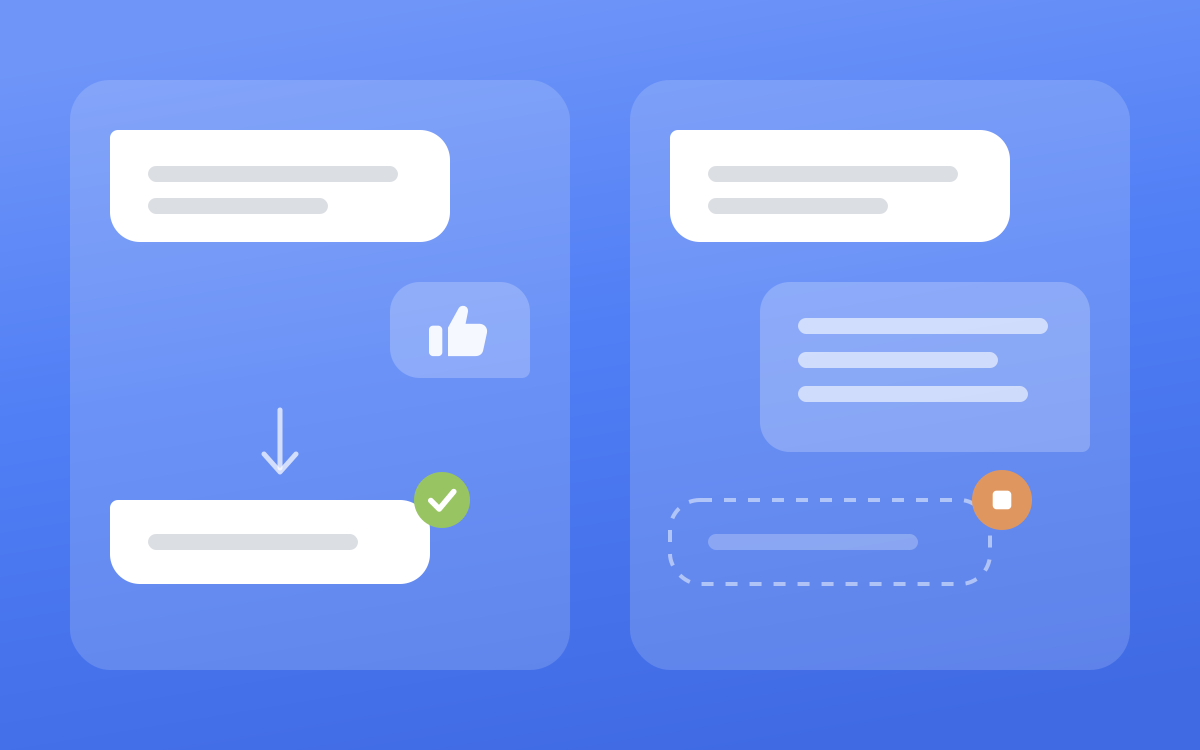
A lead who wrote back with anything real is out of the follow-ups. That covers a question, a yes, a no, an objection, "tell me more" or an email address. Sending "just wanted to follow up" three days after someone asked you a question tells them nobody read it. Answer what they said instead, matched to the effort they put in, the same way you would reply to a note right after they accept.
If all they sent was a courtesy, carry on#
A thumbs-up, a wave, or "thanks, great to connect" is good manners. It doesn't tell you they are interested, so don't move them to your warm list. Keep them on the schedule and send the next message as planned. Don't comment on the reaction either, because "love the thumbs up" makes people feel handled. If they greeted you in words, open your next message with one short greeting back, such as "Likewise, Sam.", then carry on.
When you can't tell, treat it as a real reply#
Some replies sit in between, like "Interesting, I'll read it later" or "Busy month, maybe after the 15th". Our rule is to count anything unclear as a real reply. Get it wrong that way and a person writes one message by hand. Get it wrong the other way and a template lands on someone who was warming up.
| What they sent | What it is | What to do next |
|---|---|---|
| A thumbs-up or a wave | Courtesy | Next follow-up on schedule, no mention of the reaction |
| "Thanks, great to connect" | Courtesy | Next message on schedule, opened with a short greeting back |
| "What does your firm do exactly?" | Real reply | Answer the question. No more follow-ups |
| "Not now, maybe after the summer" | Real reply | Thank them, note the timing, end the sequence |
| "Sure, happy to chat" | Real reply | Ask for the best email to set it up |
| Anything you're unsure about | Treat as real | A person writes the next message |
Check the live thread before every follow-up#
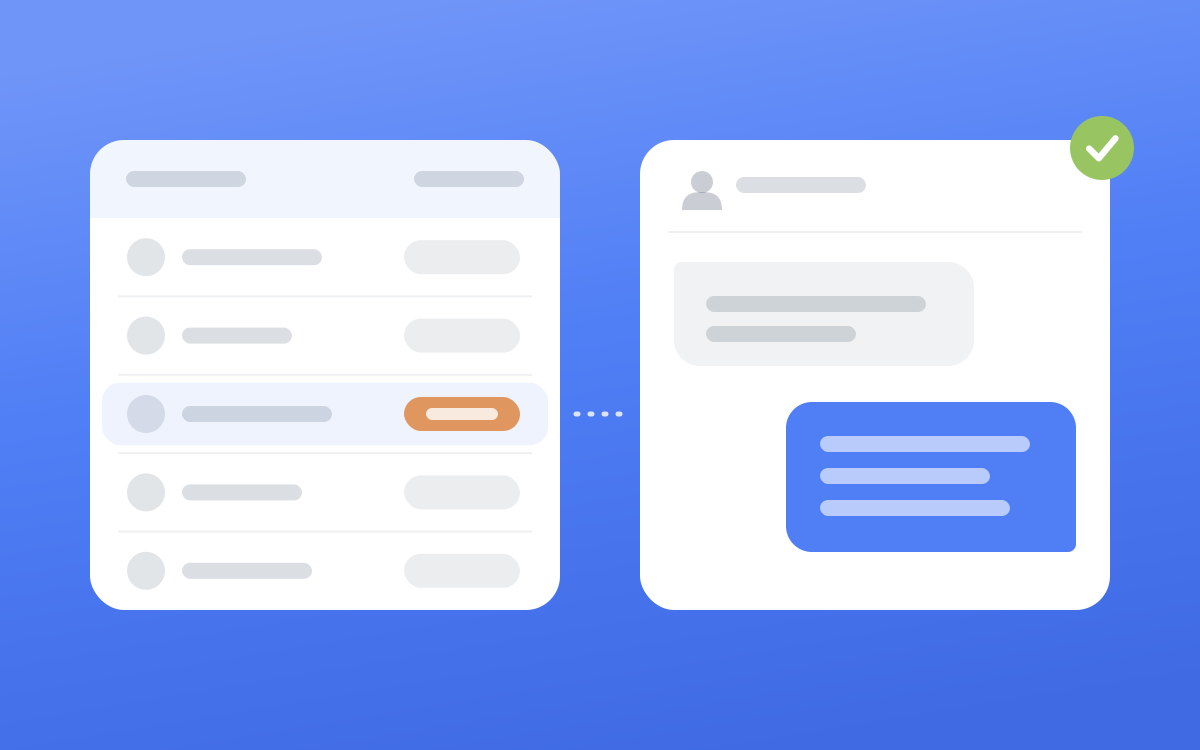
Before any follow-up goes out, open the actual conversation. A status column in a CRM drifts. We have seen sheets say a first message was sent when the thread was empty, and leads still marked as waiting who had already replied. Only the live thread tells you what really happened.
If they messaged you first#
Someone who accepted and wrote to you before you messaged them is not in a follow-up sequence at all. They spoke first, so reply to what they wrote.
The whole sequence in one place#
Here is all of it, ready to adapt. Swap in your own words and keep the shape.
Day 0, when they accept

Sam,

Thanks for connecting.

I thought I'd briefly introduce myself.

I run [company], where we [what you do, in one plain line].

Given what you're working on at [their company], I think there's some overlap, and it would be worthwhile to connect properly.

Open to a brief call sometime this or next week?

[Your name]
Day 3, no reply

Sam, just following up. Would a quick 20 minute call next week work?
Day 10, no reply, the last one

No worries if the timing isn't right. Happy to connect another time.
The first message does most of the work, and the full outreach message sequence breaks down every line of it, including what to send when they say yes. The follow-ups only work if the list is right, which is where getting clients on LinkedIn starts. At Blen we run this sequence from each client's own LinkedIn account, and a person reads the thread before every follow-up is approved.
Frequently asked questions#
How long should I wait to follow up on a LinkedIn message?#
Three days after your first message, then seven more days before the last one. Shorter than three days feels like chasing. Much longer than a week and they may have forgotten who you are.
How many follow-up messages on LinkedIn is too many?#
More than two after your first message. By the third unanswered ping, you are spending your reputation with someone you want as a client, and LinkedIn's spam policy lists repetitive messages as spam.
What if they read my message and didn't reply?#
Follow the same schedule. People often open a message between meetings and forget to answer, so the follow-up on day 3 is still the right move. Don't mention that you saw they read it.
Should I follow up if they accepted my request but I haven't messaged yet?#
That isn't a follow-up yet. Send your first message, introducing who you are with one soft question, and start the three-day clock from there.
Can I message someone again months after the sequence ended?#
Yes, if you have a fresh reason, such as a post of theirs about the problem you solve, a new role, or something specific to share. Send one message and put the reason first. If they don't answer that either, leave it.